

Portugal continues to be at the top of best-places-to-retire-abroad lists. This got my attention when I retired in 2019 as a solo midlife woman of 59. I was intrigued by the thought of lowering my living expenses, and the possibility of being able to afford to live on the ocean as a single retiree. The month I spent living in Portugal in 2019 convinced me it was the country for me to move to in retirement. After returning home, I planned to save money and move to Portugal at 65. But when my house sold unexpectedly in late 2021, I realized I could move three years ahead of plan. I’ve been living in Portugal since October 1, 2022, and will continue to share a Midlife Expat Learning post here every other month as I navigate the complex process of immigrating to Portugal.
Before I get into my healthcare experience in Portugal so far, let me share three totally random lessons learned from three unrelated recent events. Crowds. Heat. Betrayal. All three can be bad for one’s health.
1
Last week Lisbon hosted World Youth Day, the largest gathering in the world for young Catholics. An estimated 1.5 million people from around the globe flocked to Portugal’s capital to see Papa (Pope) Francisco. In a nearly 90-percent Catholic country, this event was a Big Deal.


LESSON: A reminder to myself not to even THINK about leaving home in August. I am not a crowd person, so I know to avoid ALL larger cities, tourist areas, and major festivals/events in August. Papa or no Papa, August = CROWDS.
2
My Silver Coast village on the sea has been as much as 10°-20° cooler than Lisbon during hot weather. Like much of the U.S. and Europe, Portugal has been under a heat advisory. Parts of the country have been hit with temperatures as high as 115°. The extreme heat — the third heatwave here since summer began — has caused forest fires.

I am lucky and grateful to live in an area not affected by fires or extreme heat. Where I live, we have had only one hot day, at 93°.
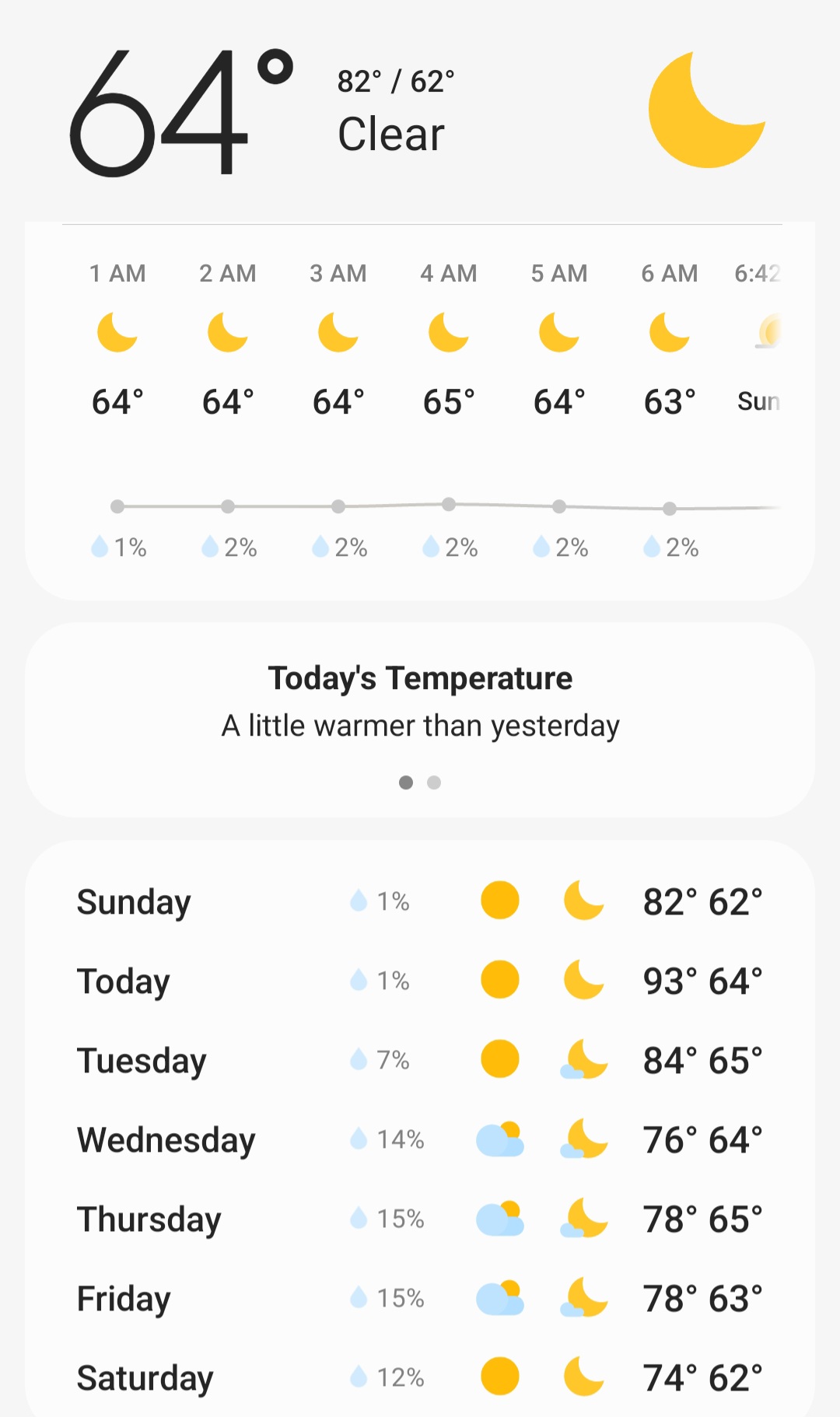

LESSON: My townhouse is not air conditioned, so I wondered how I would fare during hot summer days and nights. Well, there are no hot nights (weather-wise; we won’t get into my personal hell summer of persistent AF hot flashes and night sweats). With nighttime lows in the 60s and cooling breezes off the ocean, summer nights here are a dream. During the hottest day, I stayed indoors, with doors and windows closed against the hot outside air, and lowered my exterior metal electric shutters to keep out the sun. My home stayed cool and comfortable all day. Summer is when one appreciates that Portuguese homes are built to keep heat out (so I’m told). This is definitely not appreciated in winter, when the damp chill inside feels much cooler than the temperature outside.
3
All the crowds and heatwaves in the world won’t make you as sick and pissed off as losing your man to another woman. A younger woman. A woman who was your friend. Ouch. Sadly, this happened recently to my non-English-speaking hairdresser. I knew I was now considered a local when she started telling me all about it. In Portuguese. While waving a 450° flatiron around my face.
LESSON: Avoid nodding your head when an angry hair stylist is using a burning-hot iron on your hair. Instead, show solidarity and support with well-chosen words of indignation and appropriate condemnation of the treacherous other woman. Use Google Translate to get it right, though, because you do not want to fuck up and get the shit burned out of your scalp, ears, neck, or face.

My Experience With Healthcare in Portugal
OK, OK, now let’s get to the healthcare information. Portugal has free public healthcare for all residents. Expats are required to get private health insurance as a condition of residency permit approval and renewal, but we also are eligible for Portugal’s free public healthcare once we have our resident card. I already wrote about getting my SNS public healthcare number after I returned from the Algarve Smooth Jazz Festival in May. I also wrote about my experience here with strep throat prior to my birthday trip to Malta in February. Since then, I’ve dealt with two more minor health issues, this time involving my back and bladder.
In June, worsening back pain led me to make an appointment at a physical therapy clinic here. I did not need a physician referral. The nearly 90-minute consultation and hands-on treatment cost me 45 euros. I can submit a receipt to my private health insurer for reimbursement of half the cost, as the clinic is out of network.
Because this clinic surprisingly does not do x-rays, I inquired about where I could have imaging done of my spine. I was directed to a small imaging lab in the village. I still haven’t seen a physician at this point, but I walk in and ask the receptionist, in Portuguese, if I can get an x-ray of my lower back. “Por favor, posso ter uma radiografia de lombar?” She asked me if I had a doctor. I said I did not. She asked when I wanted to get the x-ray, and I asked, “Agora?” (now). She turned to type on her computer and then said, “Amanhã as doze horas.” “Duas horas?,” I asked, not clearly understanding her rapid speech. “Meio dia. Doze horas,” she repeated. I gave her my contact information and showed her my resident card, but she didn’t want my insurance card or ask for my SNS number. My appointment for x-rays was made, with no physician’s orders, for the next day at noon. Unbelievable.
The next day, I walked back into the small lab building before noon and was immediately escorted to the x-ray room by the receptionist — a different one from the previous day — who then did the x-rays. Afterward, the radiology technician/receptionist told me, in English, that the films and radiologist report would be ready for me to pick up in two days. We then walked back to the front desk, where she took my payment for the x-rays and radiology report. Are you sitting down? My total cost, without using insurance, was 12 euros. I am not lying. My back x-rays and radiology report of findings cost less than a gel manicure (15 euros) here in my little village. It cost less than my 17-euro strep throat culture. I thought I’d certainly heard wrong, and asked the receptionist/x-ray tech to repeat the amount. Twice. She finally grabbed a piece of paper and wrote “12” on it. No. Way.
Emboldened by this experience, I then walked into a small private health clinic near the lab where I’d gone for the throat culture months earlier. There, I asked a receptionist if there was an orthopedist on staff. She said there was and made an appointment for me. Because this orthopedist is also out of network, the cost of the appointment would be 75 euros, she said, payable by cash or card. Again, half the cost is reimbursable by insurance. The convenience of this village clinic within walking distance of my home is worth €37.50 out of my pocket. If I ever need anything more involved than this initial consult, or if I want a second opinion, I will go to the large and well-regarded private hospital/health clinic that’s in-network and a 20-minute car ride or 35-minute bus ride away.
Of course, I won’t be able to just walk in and request an appointment for the next day at a large hospital. And prices will be higher, according to friends who go to this hospital for out-patient care and exams. Still, the prices at this top private hospital are shocking when compared to the U.S. A local friend had to pay out-of-pocket for an MRI for her father, who does not have private insurance. The wait for the MRI at a free public hospital was too long, so my friend decided to pay for the expensive procedure herself at the private hospital. Without private insurance, the MRI cost 318 euros. For an MRI done by a technician who doesn’t do double duty as a receptionist. Three hundred eighteen euros. Magnetic resonance imaging costs thousands and thousands of dollars in the U.S. Why can’t America get this right?
This month, my health issue has been a persistent bladder infection. After days of attempted home remedies, it became clear I would need antibiotics. On a Friday night around 9, I called my healthcare insurer’s FREE telemedicine line for a telephone consultation with a physician. The intake person I spoke with first did not speak English, but I was prepared with what I needed to say thanks to my translation app. (Pro tip: Always try to think of everything you may need to say/ask/answer in advance of seeking a service, and then use a translation app to get it right in advance so you’re not stammering and fumbling around while trying to communicate.) I began by explaining, in Portuguese of course, I was American but spoke a little Portuguese. She spoke slowly after that, and I understood what she asked me.
I hesitated when she asked for my número de utente. I knew that was the SNS or public healthcare user number, but since I was using my private insurance I wasn’t expecting to be asked for my public SNS number. Turns out that all health data (appointments, prescriptions, tests, consults) are uploaded onto the SNS portal — at least by my private insurer. I don’t know if this is a universal practice of all private health insurers.
The intake person told me a doctor would call me back that night. It’s a 24-hour service. Again, it’s FREE. They also offer paid house visits! She asked if I wanted an English-speaking doctor. I didn’t know how to say “Duh!” in Portuguese, so I simply responded, “Sim, por favor. Muito obrigada.”
An hour later, an English-speaking doctor called me and after asking about my symptoms texted me a paperless prescription code for two medications. He told me to go to any pharmacy, show them the text on my mobile phone, and they would give me the meds. I also received an email notifying me that the prescription could be accessed on the SNS portal after logging in to my account using my SNS number. Easy as pie. The next morning, a friend drove me to one of the MANY farmácias in the village, and I was out the door with meds in hand in six minutes. No paperwork or additional documentation was needed. Just the text on my phone. And €3.91 for the two medications. I’ve heard that one of the medications — a single-dose antibiotic — costs nearly $100 in the U.S.


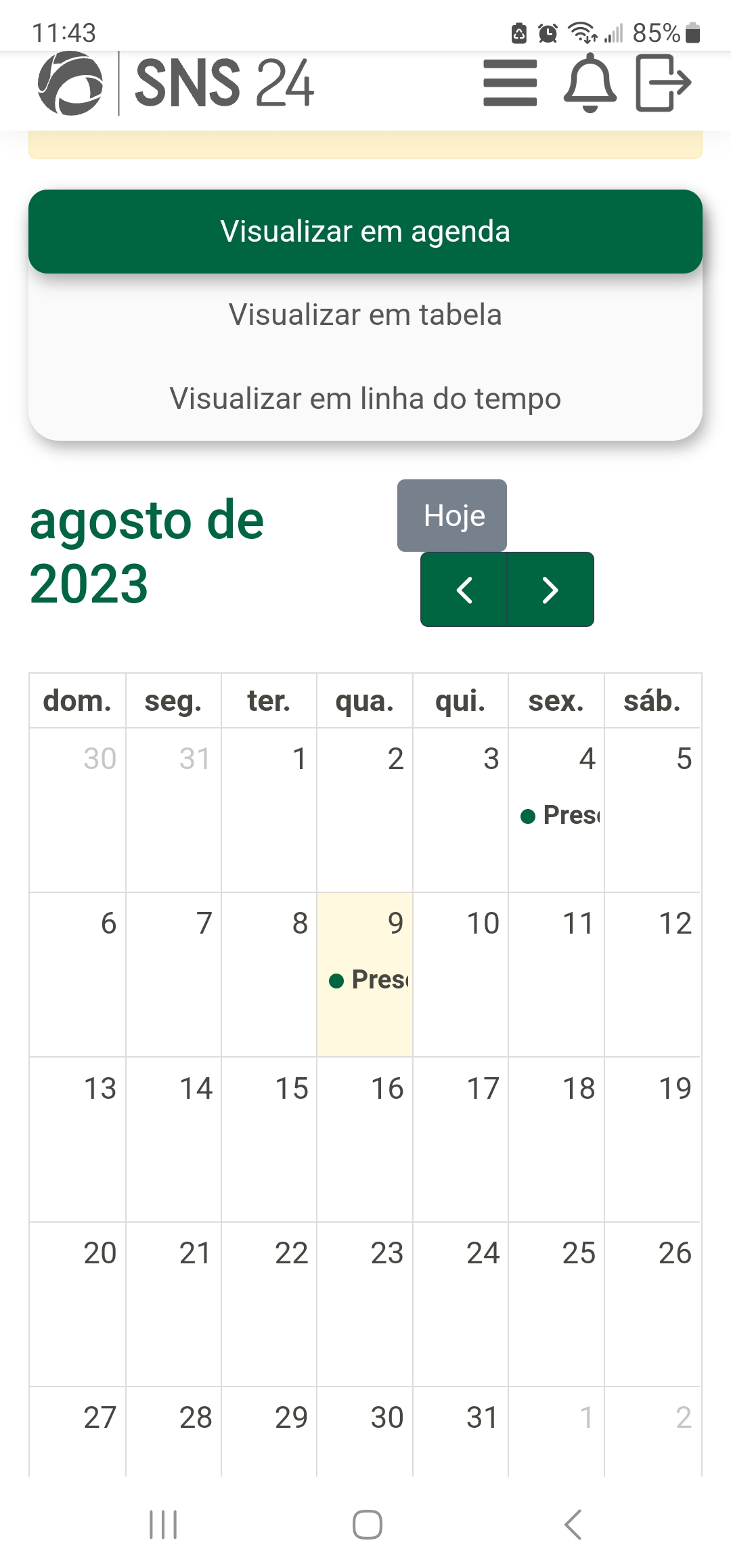
When symptoms persisted, I called the telemedicine line again. This time the intake person spoke English. An hour or so later, another English-speaking doctor called me back, and then texted me a different prescription and a requisition for lab work. Again, this all was uploaded onto SNS as well. Back to another farmácia and to Unilabs (the throat culture place) for the tests requested by a doctor this time. When Unilabs did my walk-in throat culture without a physician’s requisition, I didn’t need to show anything but my passport (I hadn’t yet received my resident card in February.) This time, because the labs were ordered by a doctor through my insurance, I had to present my insurance card along with my resident card. Total cost to me for the lab work: €4.20. Cost for the new antibiotic: €2.90.
All Experiences Are NOT the Same
I can’t stress this enough. My experience in my small village is not going to be the same as an expat living in a larger city. There are real benefits to living in a larger city, including access to more transportation options and greater proximity to major health centers. However, I’ve found the benefits of living in my small village include getting important things done relatively quickly and easily. Expat friends in Coimbra and Lisbon have not been able to get x-rays and lab tests without a physician’s orders, and my friend in Coimbra was unable to just walk in and get her SNS number from her local Centro de Saúde the same day. She has, however, had the same great experience I’ve had with the insurance broker I recommended.

My Private Health Insurance
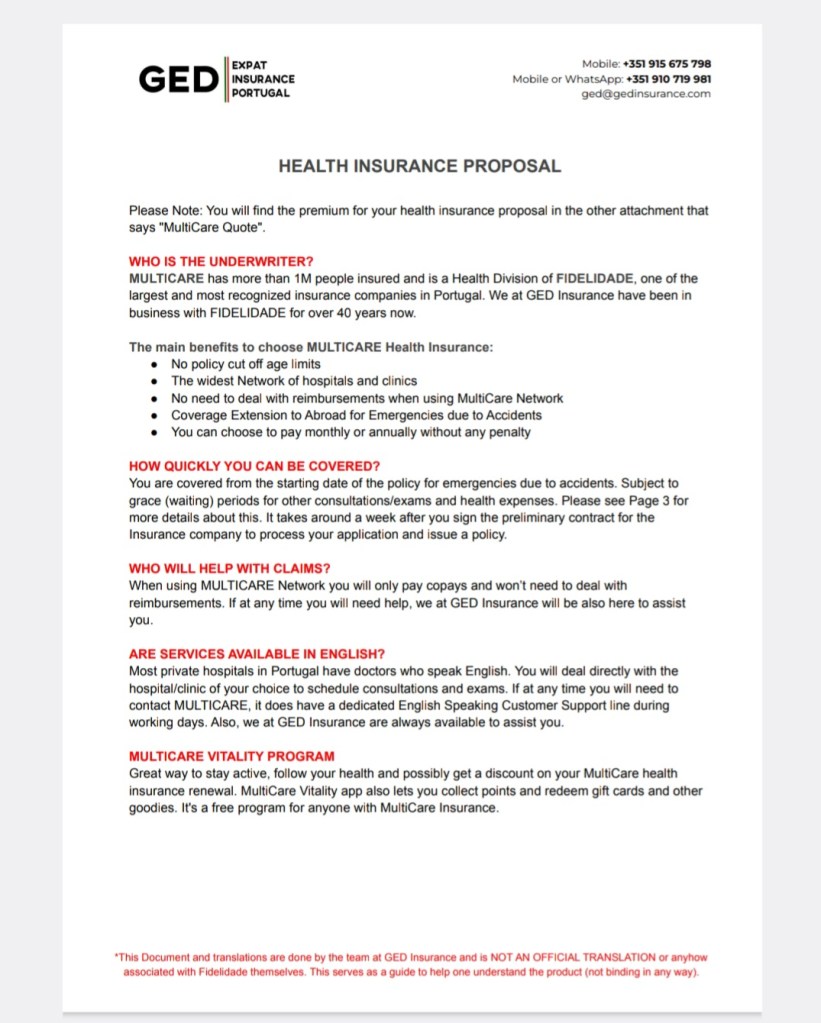
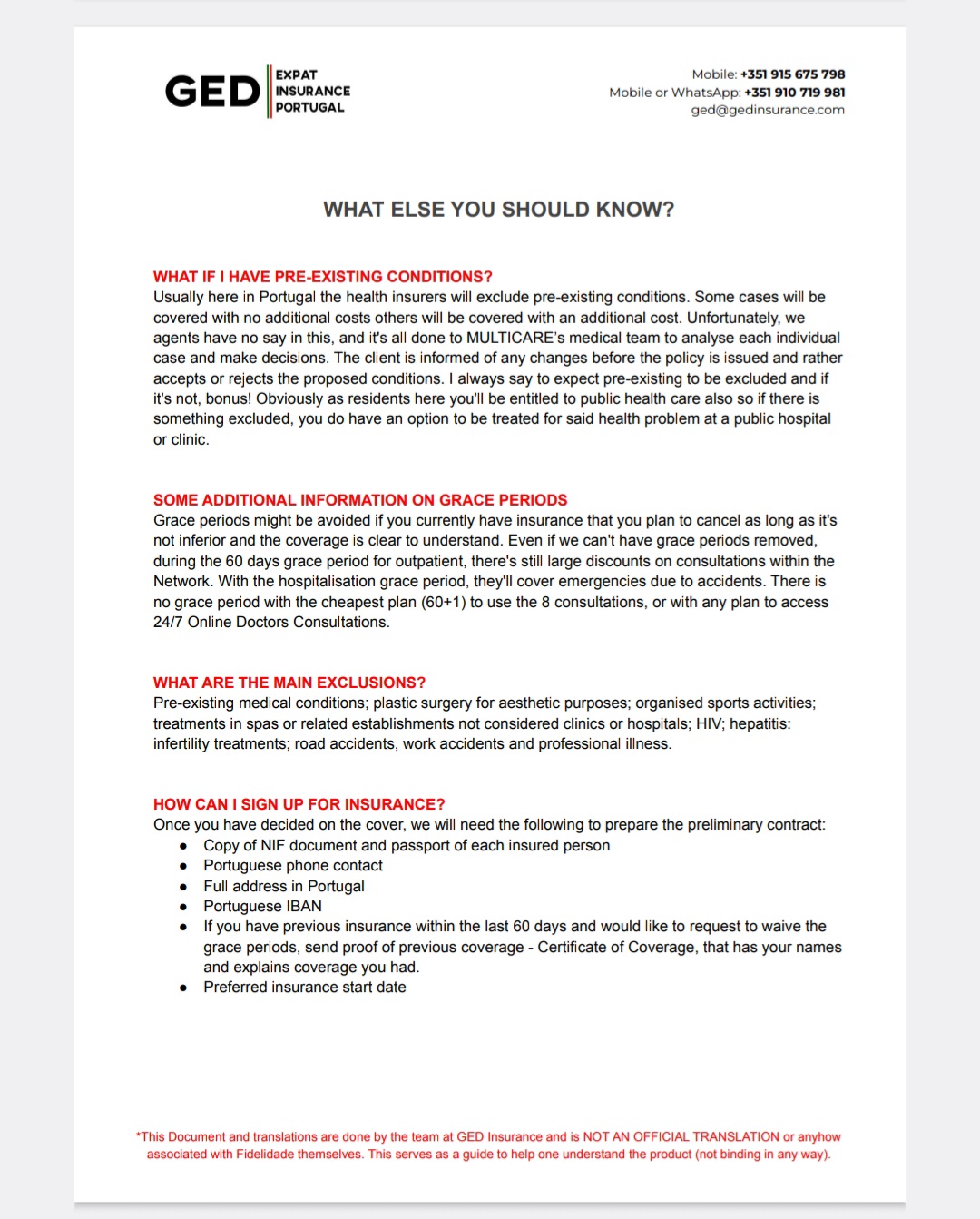
Some people choose to get private health insurance offered by their bank in Portugal. Others choose to buy insurance from large international corporations serving expats. I preferred to use a smaller local insurance broker, and have been impressed by the exceptional personal service. The healthcare plan I chose is administered by Fidelidade, a major insurance company in Portugal. There are two options available through this insurer for over-60 expats. I chose the MultiCare 2 plan for a monthly cost of about 140 euros. Additionally, I recently added a new personal accident plan for 12 euros a month. This new plan covers non-vehicular accidents (like being accidentally slapped in the face with a hot flatiron by an irate hair stylist) without any deductible for hospital stays. It should be noted that private health insurance plan options for people under 60 are greater and cost less.
Below is the health insurance proposal my broker presented to me. Be sure to read the last page, which answers common expat questions. You’ll see here that hospitalization is covered up to a maximum of €200,000 on my plan. That would take care of a hangnail in the U.S. Here, you’d need to get something like a full-body transplant to come close to that maximum hospitalization benefit.


LINKS TO RESOURCES

Local broker for private health insurance

National free public healthcare portal (in Portuguese)

Government how-to site

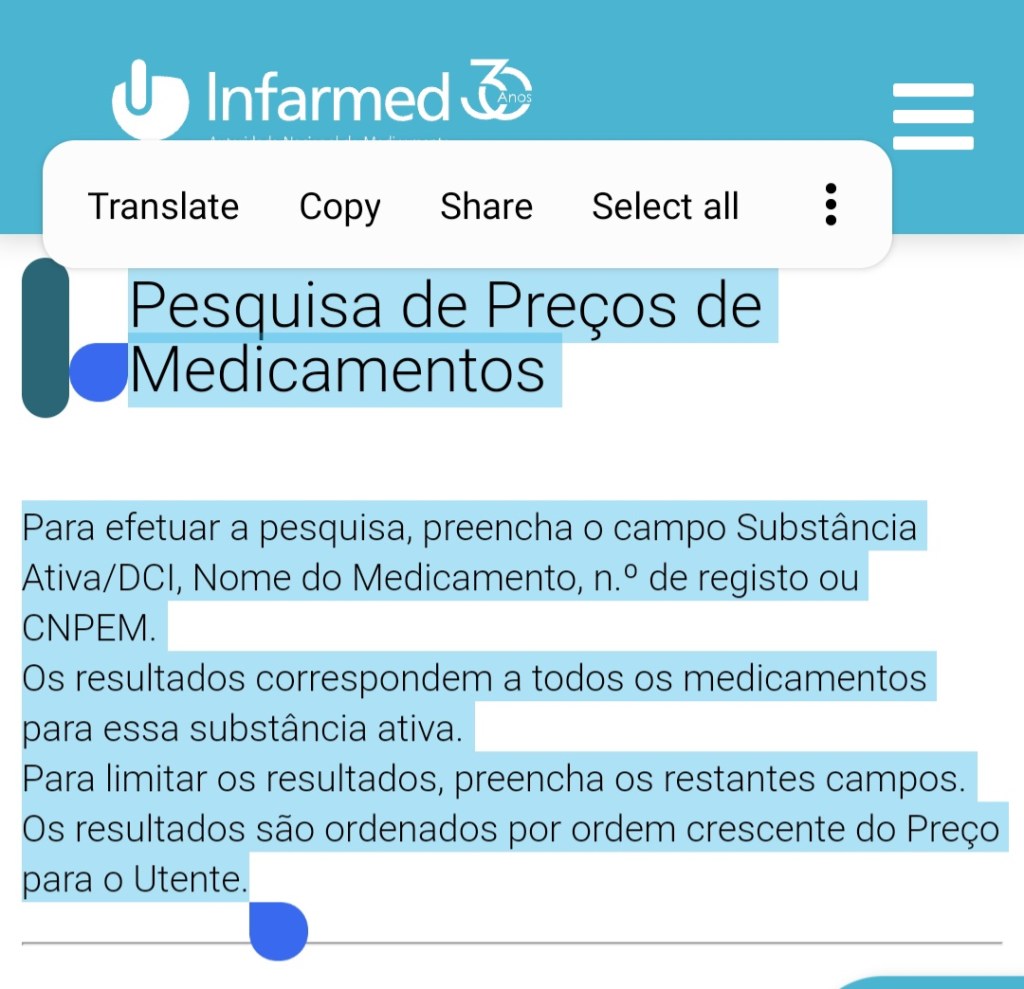
Searchable database of prescription drug costs in Portugal (in Portuguese)
Stay Tuned
Moving to another country is a complex process, and information can change quickly without notice. Everyone’s experience can be different. I’m remembering to take it all in stride, stay flexible, prepared, pivot-ready, and positive. Stay tuned. Thank you for reading!
2023 Midlife Expat Learning Posts
January/February: SEF appointment
March/April: SEF troubleshooting
May/June: Language classes
July/August: Healthcare
September/October: One year in Portugal
November/December: Travel as an expat
All images are my own, except as noted.
The Hot Goddess
Instagram: retired_rewired_inspired
If you enjoyed this please remember to Share, Like, Follow, Comment, Subscribe. (This is my “call to action” I’m supposed to include in every post. Thanks so much for your support!) ❤
Copyright ©️ 2021-2023 thehotgoddess.com. All rights reserved.

 The Hot Goddess
That was an intriguing read! I know health care in Canada is much better than in America, but Portugal village medical care is definitely even more desirable. It makes one wonder about the bureaucratic mess and chaos most of us are exposed to…
LikeLiked by 2 people
Thank you, Claudette! Yes, coming here is quite an eye-opener for what good, accessible healthcare can look like.
LikeLiked by 1 person
Kudos on the smooth sailing with the weather and your health care. It seems you’ve made some great choices Natalie!
LikeLiked by 1 person
Thank you so much, Brad! 💜
LikeLiked by 1 person
My hip replacement cost about $23,000. One night in the hospital. Fortunately, I have good insurance…
LikeLiked by 1 person
Yes, good health insurance was a perk of teaching before I retired. Thank goodness! I’m glad you were able to get quality care and are on the mend. 💜
LikeLiked by 1 person
So much important information, Natalie. There is no doubt about it, you have chosen well! And, I should add that from your pics it’s hard to believe that you’re ever sick; you look fabulous!
LikeLiked by 2 people
Aw, thank you for that sweet compliment, Jane! I am beyond grateful to be here in my new home. 💜
LikeLiked by 1 person
I’m so happy to read that you have access to such good healthcare – and that it doesn’t involve the threat of personal bankruptcy 😉. We have pretty good healthcare here in Canada but the pandemic stressed out a somewhat overburdened system, leading to certain right wing politicians yelling about the need for a 2 tiered set up (so they and their buddies can profit off the backs of sick and desperate people, like in the USA 🤑). I hope I never see this come to pass.
Deb
LikeLiked by 2 people
Thank you Deb! Affordable, accessible healthcare is a game-changer in retirement. We Americans always look to Canada as an example of what healthcare should look like. I hope politicians don’t screw it up there.
LikeLiked by 1 person
Healthcare in Canada falls under the domain of each province, and the right wing leaders in certain provinces seem to be deliberately starving their health care sector to help pave the way for private interests. Hopefully they get voted out before too much damage is done but I don’t know…like in the US, these hard line right wingers are getting too much attention (and power).
LikeLike
Natalie I gotta tell ya, you’ve sold Portugal. I’m about to pack up and move there. Lol 😂
The hot iron saga—priceless! made me BOL 🤣 cause I saw it all with my mind’s including your cautiousness to prevent the “oh I’m so sorry” (in Portuguese of course) scalp burn.
Keep the tips and posts coming. Loving the vicarious journey.
Cheers
LikeLiked by 2 people
LOL, I’m agreeing with Dawn! I love the hairdresser story, kudos on being seen as a local now! The healthcare system in Portugal sounds amazing! You landed well!!
LikeLiked by 2 people
She sure did land well.
LikeLiked by 2 people
Yes, it is very heartening to see someone go after their dreams and it work out so well!
LikeLiked by 2 people
I agree. #GoddessMentality
LikeLiked by 1 person
😀🤩🤩 yes, love the hashtag!!
LikeLiked by 2 people
Thank you, Tamara! It is feeling good to “belong” and call this place home. A lot is still new to me here, but dishin’ dirt at the hair salon is universal 😁
LikeLiked by 1 person
Love it! It’s those little things that make a huge difference! Kudos!
LikeLiked by 1 person
Dawn, thank you so much! 💜 You know that burn fear is real! It’s a funny story now that I’m out of the hair stylist’s chair, but when it was all goin’ down I was scurred!
LikeLiked by 1 person
Gurl I’ve been at the receiving end of that cursed iron a time or 2. U had all right to be scurred 😳
LikeLiked by 1 person
Wow, amazing that such services are so easily available
LikeLiked by 1 person
It really is! Thank you for reading 💜
LikeLiked by 1 person
Major information and great job clarifying it for your readers. I think because I live in America, I expect the bureaucratic mess when it comes to Healthcare discussions. Glad you’re on the mend.
LikeLiked by 2 people
Thank you so much, Vivian! 💜 Yes, we come to expect a needlessly complicated and expensive mess when it comes to healthcare in the U.S.
LikeLike
Love the health service stories. In Chile I was able to get labs done without a prescription for reasonable prices. Prescriptions medicines were dispensed easily and inexpensively too. Glad you have the appropriate vocab to keep from getting burned. Muito bom!
LikeLiked by 1 person
Thank you so much, Rebecca! 💜 It’s amazing how affordable healthcare can be when priorities are what they should be.
LikeLiked by 1 person
Exactly, on people’s wellbeing rather than the national ego distractions.
LikeLiked by 1 person
I hope you are feeling better. This is very helpful information for those of us considering relocating to Portugal. Wouldn’t it be nice if the U.S. had such reasonable costs for healthcare.
LikeLiked by 1 person
Thank you so much, Jametta! 💜 Yes, the U.S. has much room for improvement with healthcare costs and access.
LikeLike
Everyone is going to want to move to a small village in Portugal after reading this. So glad you are now considered a local. The hairdresser is the key.
LikeLiked by 1 person
Haha! Definitely need to be in with a local hairdresser, that’s for sure. Still can’t believe this is home at times, but so glad it is 😊
LikeLiked by 1 person
Enjoyable and inspirational. I want to farm those beds that drop off into the sea! Keep up the good life!!
LikeLiked by 1 person
Thank you for reading and commenting! Yes, those farm beds certainly are enticing 😍
LikeLike
I’m loving your lessons learned. Not even when the Pope is in town and thank goodness for external shades. I’m sorry that you’ve been sick again – but what an interesting medical experience. Love all the steps that you break down – goodness it complicated figuring out a new system! Feel better! 🙂 ❤
LikeLiked by 1 person
Thank you so much, Wynne! ❤️ There’s always something new to learn here, still, after almost a year. I’m grateful to be in a small town where it’s easier for me.
LikeLiked by 1 person
Your Blog posts should be required reading for anyone thinking about making a move like yours. You cover every aspect of such an undertaking.
LikeLiked by 1 person
Thank you, Geoff!
LikeLike
That crowd! Wow!
Natalie, I value the information you share, and I am filing it away because perhaps it will come in handy one day. What I most appreciate about your posts is your sense of humor. You are hilarious! It would be a hoot to spend time with you! 😁
LikeLiked by 1 person
Michele, thank you so much! 💜 You never know when “one day” may become “today.” So glad you are enjoying reading the posts, and that you can laugh with me. It would be an honor and a blast to hang out with you!
LikeLiked by 1 person
“Today” – no doubt! The future does hold some mystery. ✨ We would have some fun! 😁🙌🏻
LikeLike
As always thank you for the information. Coming in February to see the Porto area. Stay well
LikeLike
Portugal has got its healthcare right, I say! And your post is so informative. You definitely made a brilliant choice with Portugal as your retirement haven. Because as we age, medical costs can suck the wallet dry.
It’s good to hear, from your random lessons, that your area is not affected by fires or extreme heat. The climate change and natural disasters are a bit overwhelming… Be safe! I also hope your back pain has subsided, and that you continue to enjoy the summer season. ❤
LikeLiked by 1 person
Thank you so much, Khaya! Yes, healthcare costs are a major benefit of living here. I am grateful to be safe from the natural disasters affecting other areas. I researched as thoroughly as possible to ensure I’d end up in a safe, comfortable place.
LikeLiked by 1 person
The appropriate Google translations were hilarious lol
LikeLiked by 1 person
😂😂😂
LikeLiked by 1 person
You make all your posts so funny but yet we are well informed! I l look forward to reading more of what’s to come in such a beautiful place.
LikeLiked by 1 person
Thank you so much! 💜
LikeLiked by 1 person
You’re welcome!
LikeLiked by 1 person
[…] my last post, a Midlife Expat Learning article on healthcare in Portugal, I wrote about getting treatment for a persistent bladder infection. Side effects from […]
LikeLike
Always good to read you Natalie and you keeping it real and fun!💞
LikeLiked by 1 person
Cindy, thank you so much for reading and your kind words ❤️
LikeLiked by 1 person
It’s such a pleasure Natalie💕
LikeLiked by 1 person
[…] appointmentMarch/April: SEF immigration troubleshootingMay/June: Language classesJuly/August: HealthcareSeptember/October: Moving personal belongings one year laterNovember/December: Holiday-ing as an […]
LikeLike
[…] appointmentMarch/April: SEF immigration troubleshootingMay/June: Language classesJuly/August: HealthcareSeptember/October: Moving personal belongings one year laterNovember/December: Turning a furnished […]
LikeLiked by 1 person